Learn more about Naxolone
Learn the facts about Naxolone
Naloxone (aka Narcan) is a life-saving medication that can reverse the effects of an opioid overdose. Naloxone works by binding to the same receptors in the brain that opioids attach to, specifically the mu-opioid receptors. Opioids, such as heroin or prescription painkillers, activate these receptors, which can slow or stop breathing, leading to overdose.Naloxone acts as an opioid antagonist, meaning it blocks these receptors, reversing the life-threatening effects of the overdose.
By displacing opioids from the receptors, naloxone can quickly restore normal breathing, often within minutes. However, its effects are temporary, so it's important to seek emergency medical help right after administering naloxone, as the effects of opioids may outlast those of naloxone.
Naloxone is specifically designed to reverse opioid overdoses, so it does not work on overdoses caused by other types of drugs, such as:
- Stimulants: Naloxone does not reverse overdoses from substances like cocaine, methamphetamine, or ecstasy.
- Benzodiazepines: Drugs like Xanax, Valium, or Ativan, which are often prescribed for anxiety or sleep disorders, are not affected by naloxone.
- Alcohol: Naloxone does not counteract alcohol poisoning.
- Other non-opioid drugs: Naloxone also does not work for overdoses from substances such as barbiturates, nicotine, or marijuana.
Signs of an opioid overdose
- Person is unresponsive or won't wake up
- Slow, shallow, or stopped breathing
- Blue, gray, or pale lips and fingernails
- Pinpoint pupils
- Gurgling, choking, or snoring-like sounds
How to administer Narcan Nasal Spray
- Check responsiveness
- Shout the person's name and rub your knuckles firmly on the center of their chest (sternal rub).
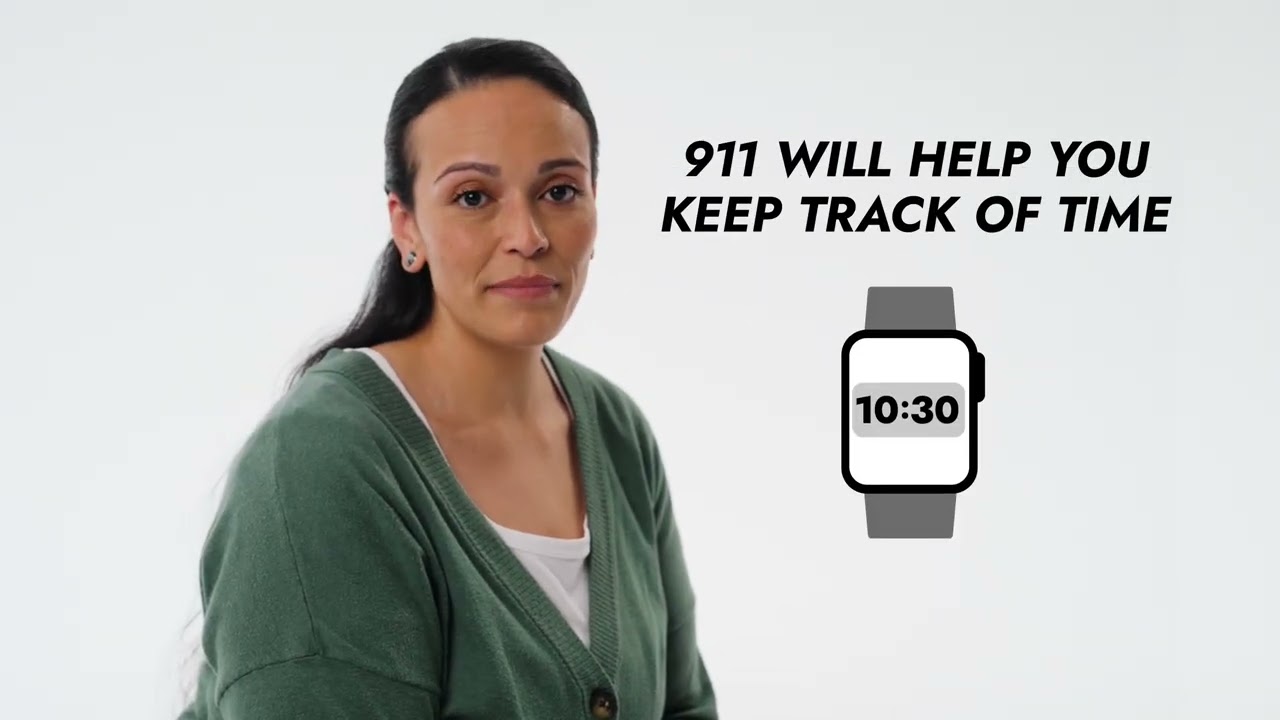
- Call 911
- Even if Narcan works, emergency medical evaluation is still needed.
- Give Narcan:
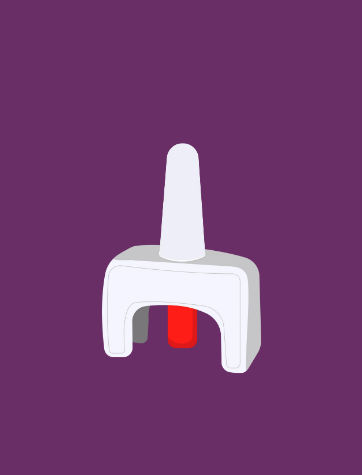
- Remove the device from the package.
- Tilt the person's head back and support the neck.
- Insert the tip into one nostril until your fingers touch the bottom of the nose.
- Press the plunger firmly to release the entire dose.
- Provide Rescue Breathing
- If the person is not breathing, provide rescue breaths and/or CPR
- Monitor and repeat if needed
- If there is no response after 2–3 minutes, give a second dose using a new Narcan device in the other nostril.
- Additional doses may be needed for potent opioids such as fentanyl
- Stay with the person
- Place them on their side (recovery position) once breathing normally.
- Narcan may wear off in 30–90 minutes, and overdose symptoms can return.
Important points
- Narcan works only on opioid overdoses and will not harm someone if opioids are not involved.
- Someone revived with Narcan may wake up confused, upset, or experience withdrawal symptoms.
- Always seek emergency medical care after use.